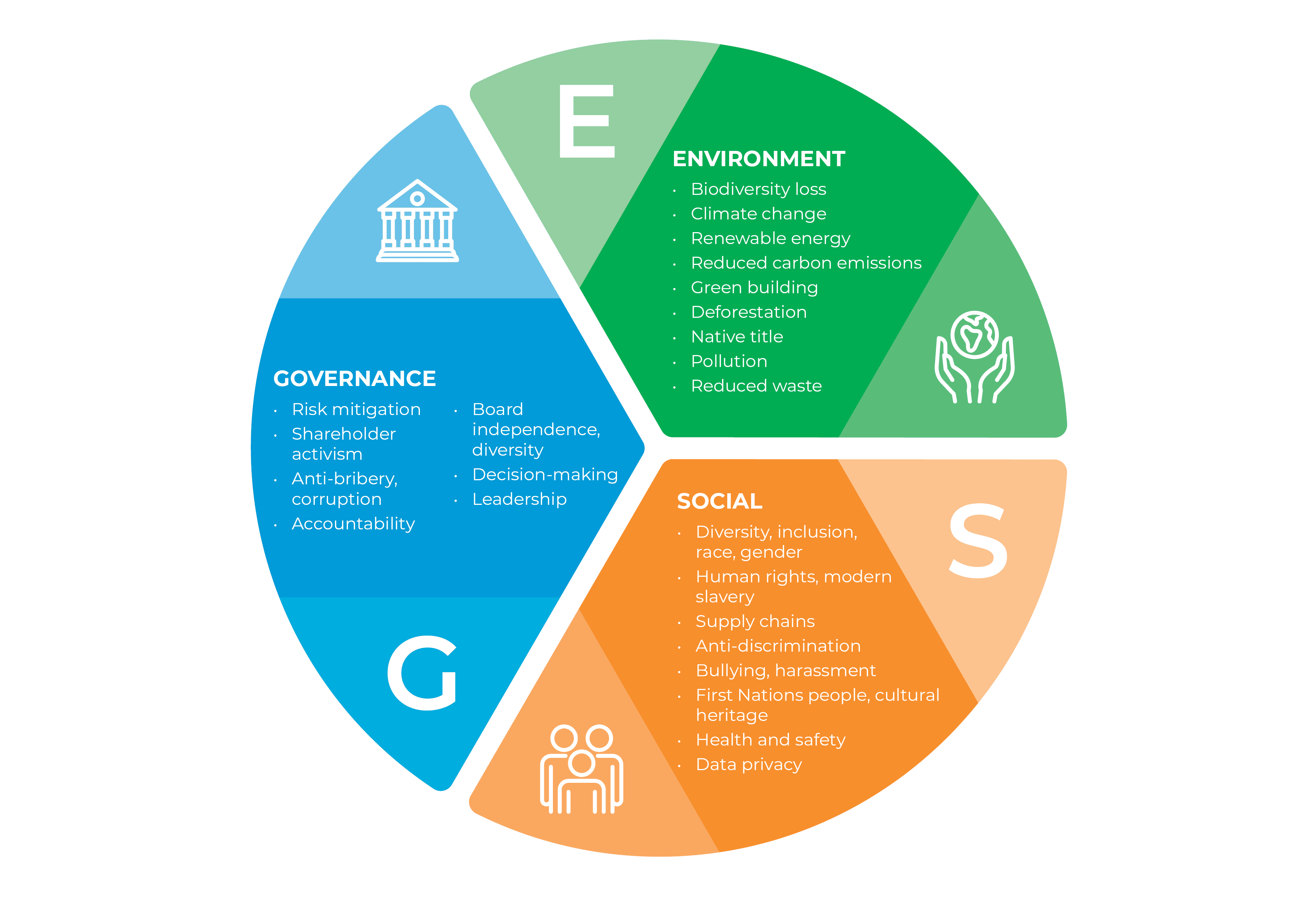
ESG investing — evaluating companies on environmental, social, and governance criteria alongside traditional financial metrics — has grown into a significant segment of the investing world, and AI plays a central role in generating the scores investors rely on. Providers like MSCI, Sustainalytics, and Refinitiv use machine learning to process enormous volumes of corporate disclosures, news coverage, and third-party data to generate ESG ratings. What's less widely understood is how inconsistent these AI-generated scores often are between providers, even for the same company.
How AI ESG Scoring Actually Works
ESG rating providers train models to extract relevant signals from corporate sustainability reports, regulatory filings, news articles, and increasingly, satellite imagery and supply chain data for environmental metrics specifically. Natural language processing models scan thousands of pages of disclosure documents to identify and quantify commitments, controversies, and reported metrics that would take human analysts far longer to process manually.
The genuine technical achievement here is processing scale and consistency in applying a defined methodology across thousands of companies simultaneously — something that would require enormous analyst teams to replicate manually with any consistency.
The Inconsistency Problem
This is the issue that gets less attention than it deserves. Academic research comparing ESG ratings across major providers has found correlation between different agencies' scores for the same companies to be notably lower than investors might assume — sometimes startlingly low for ratings that are nominally measuring the same underlying concept.
This happens because "ESG" isn't a single, standardized metric — it's a category encompassing dozens of different sub-factors, and providers weight these differently based on their own methodologies. One provider might weight carbon emissions heavily while another emphasizes labor practices or board diversity more strongly. A company can score well on one provider's framework and poorly on another's, despite both providers using sophisticated AI analysis of largely the same underlying disclosure data.
Why This Matters for Anyone Using ESG Scores
If you're looking at an ESG score to inform an investment decision, understanding that the specific provider's methodology meaningfully shapes the result matters more than the headline score itself. A single number presented without context about what it's actually measuring and how it's weighted can create false confidence in a comparison that's less apples-to-apples than it appears.
This isn't unique to AI-driven scoring — the inconsistency predates heavy AI involvement and stems from the underlying complexity and subjectivity of defining "sustainability" in measurable terms. But AI's ability to process disclosure data at scale has made these scores more prominent and more heavily relied upon in investment decisions, which makes the underlying inconsistency more consequential than when ESG analysis was a smaller, more manual niche.
Greenwashing Detection — Where AI Adds Genuine Value
One area where AI ESG analysis shows clearer value is detecting discrepancies between corporate sustainability claims and actual reported data or third-party verification. Natural language processing models can flag when a company's marketing language around sustainability commitments doesn't align with its quantitative disclosed metrics, or when claimed progress doesn't match independently verifiable data sources like emissions databases.
This pattern-matching capability — comparing stated claims against underlying data at scale — is a genuinely useful application of AI that's harder to replicate through manual analysis given the volume of corporate communications involved.
A Reasonable Approach to Using These Scores
Given the documented inconsistency between providers, relying on a single ESG score from one provider as a definitive measure carries more uncertainty than the precise-looking number might suggest. Looking at the underlying methodology — which specific factors a score weights most heavily — and whether that aligns with what you personally consider most important within the broad ESG category, provides more useful information than the aggregate score alone.
Comparing scores across multiple providers, when available, can also help identify cases of strong agreement (more reliable signal) versus significant divergence (worth investigating why before drawing conclusions).
The Bottom Line
AI has made ESG analysis possible at a scale that manual research couldn't match, processing vast amounts of corporate disclosure data with a consistency that benefits from automation. But the resulting scores reflect the specific, often undisclosed weighting choices of each provider's methodology — not an objective, universally agreed-upon measure of corporate sustainability.
Understanding this limitation doesn't make ESG scores useless, but it does mean treating any single score as a precise, objective measurement overstates what these AI systems are actually capable of delivering, given how much legitimate methodological disagreement exists even among sophisticated providers analyzing the same underlying data.