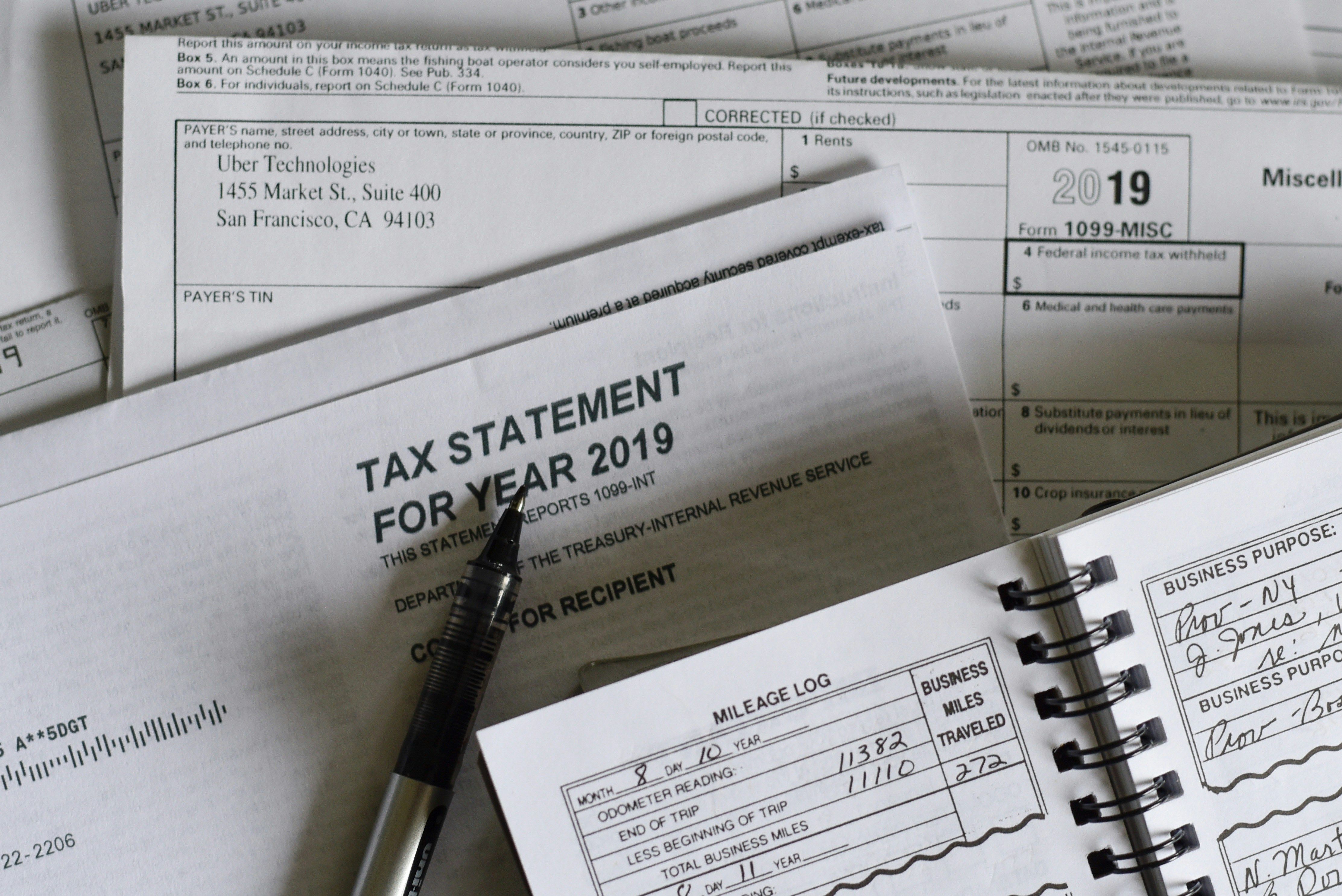
Tax season has become measurably faster for many filers thanks to AI-powered preparation software. Platforms like TurboTax, H&R Block, and newer entrants like FlyFin now market AI as a core feature, promising to find deductions automatically and reduce the tedium of manual data entry. Understanding exactly what these systems automate — and where they still rely on the user's input and judgment — helps set realistic expectations for what "AI-powered" tax prep actually delivers.
What Genuinely Gets Automated
The most reliable automation happens around document processing. Modern tax software uses optical character recognition combined with machine learning to extract data directly from uploaded W-2s, 1099s, and other tax documents, populating the relevant fields automatically. This genuinely eliminates a meaningful amount of manual data entry and reduces transcription errors that used to be common when filers typed in numbers by hand.
Form selection logic has also improved significantly. Based on the information you provide about your income sources, the software determines which forms and schedules apply to your situation — self-employment income triggering Schedule C, investment income triggering Schedule D, and so on — without requiring the filer to know this themselves.
Where "AI-Found Deductions" Actually Comes From
This is the feature most heavily marketed, and it's worth understanding precisely how it works. Deduction-finding AI typically operates by asking structured questions about your life situation — homeownership, charitable giving, business expenses, education costs — and then cross-referencing your answers against current tax code rules to surface deductions you might not have known to look for.
This is genuinely useful, particularly for filers unfamiliar with less obvious deductions. But it's worth being clear that this is closer to an intelligent questionnaire system than to AI independently analyzing your finances and discovering hidden opportunities. The "discovery" happens because you answered a question prompting it, not because the AI scanned your bank statements and found something on its own — though some platforms are beginning to add this kind of bank account analysis as well, with mixed reliability so far.
Where Human Judgment Still Matters
Complex situations remain an area where AI tax prep shows real limitations. Multi-state filing, significant business expense categorization, rental property depreciation schedules, or unusual one-time events — like a large capital gain from selling a business — often involve judgment calls that current AI systems handle imperfectly or simply flag for the user to resolve themselves.
There's also the question of completeness. AI deduction-finding works well for common, well-documented situations but can miss highly specific or unusual deductions that aren't well-represented in the questions the software asks. This is precisely why most platforms still offer paid tiers with access to human tax professionals for complex returns — the companies themselves are signaling where they believe AI's reliability ends.
The Audit Risk Question
A reasonable concern with automated deduction suggestions is whether the AI might suggest deductions that increase audit risk without adequately flagging this to the user. Most reputable platforms do build in conservative thresholds and warnings for unusually large deductions relative to income, but the sophistication of this risk-flagging varies between providers and isn't always transparent about its underlying methodology.
This is an area where independently verifying any suggested deduction against IRS guidelines — or running it past a tax professional for anything beyond straightforward situations — remains a reasonable practice, regardless of how confident the software's interface appears.
The Bottom Line
AI tax prep tools genuinely automate the tedious, error-prone parts of filing: data extraction, form selection, and basic deduction discovery through structured questioning. This represents real time savings and fewer transcription errors compared to fully manual filing.
What they don't fully replace is judgment for complex or unusual financial situations, and the "AI-found deductions" framing, while not inaccurate, describes a more structured and guided process than independent financial discovery. Understanding this distinction helps set the right expectations: useful for streamlining straightforward returns, less of a substitute for professional advice once a tax situation becomes genuinely complex.