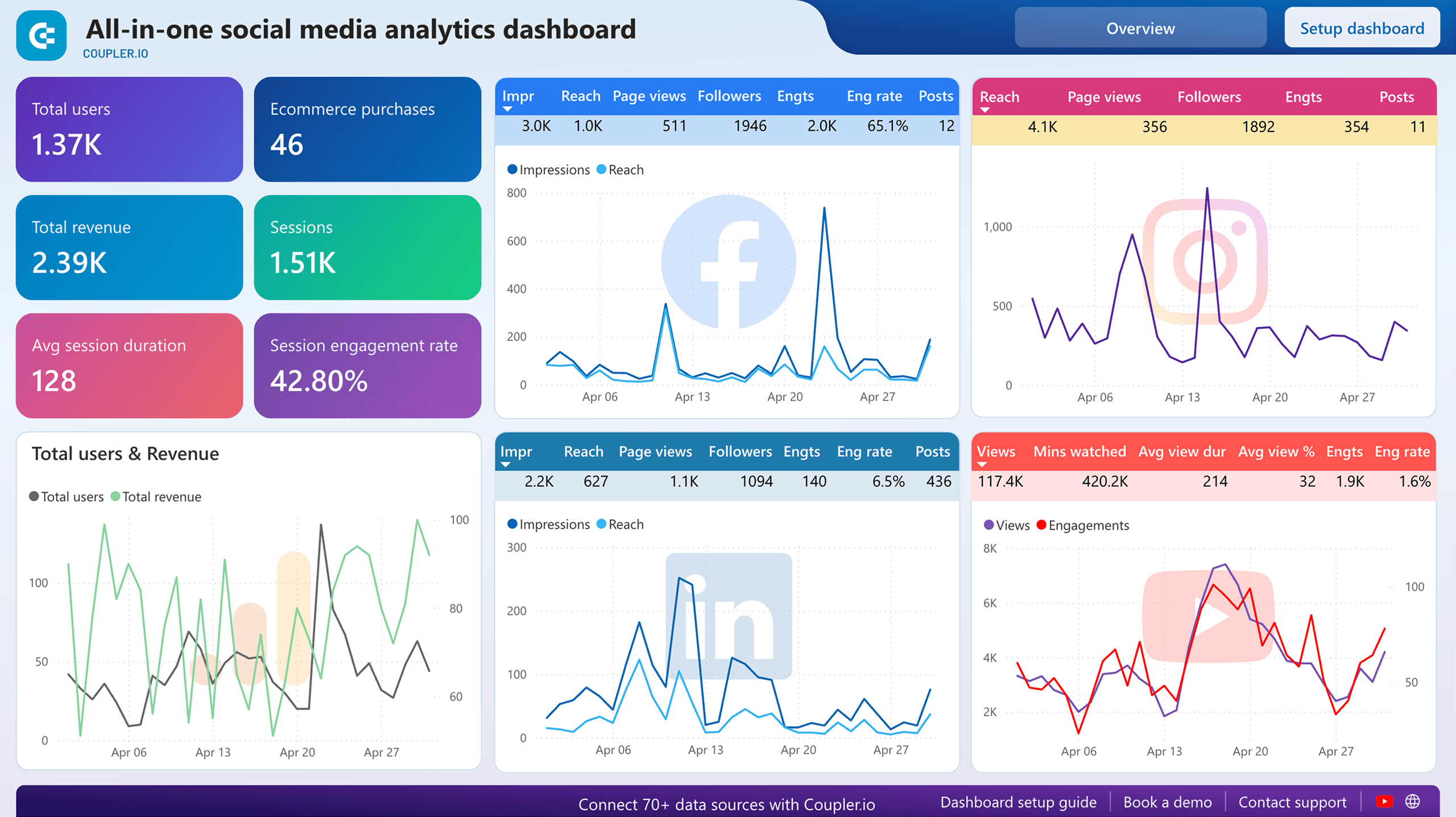
Markets move on more than earnings reports and economic data — they move on mood. A wave of negative news, a viral social media post, or shifting public confidence can influence prices before any fundamental change actually occurs. AI sentiment analysis tools promise to quantify this mood in real time, scanning thousands of news articles, social media posts, and earnings calls to generate a "sentiment score" for stocks, sectors, or entire markets. The question worth asking is whether this actually translates into useful predictive signal, or just an interesting data visualization.
How Sentiment Analysis Tools Actually Work
Platforms like AlphaSense, Sentieo, and StockGeist use natural language processing models trained to classify text as positive, negative, or neutral toward a specific company or sector. More sophisticated versions go further, detecting nuance — distinguishing genuine optimism from sarcasm, or separating routine corporate language from language that signals unusual confidence or concern in earnings calls.
The technical sophistication here is real. Modern language models can process volumes of text no human analyst team could read manually, and they can flag sentiment shifts within minutes of news breaking, rather than hours later when an analyst gets around to writing a report.
What the Research Actually Shows
This is where the picture gets more complicated. Academic studies on sentiment-based trading strategies show mixed results that depend heavily on timeframe and market conditions. Some research has found modest correlations between sentiment shifts and short-term price movement, particularly around earnings announcements and major news events — sentiment can sometimes move faster than price, creating brief windows where the information has predictive value.
However, this edge tends to be small and short-lived. Once a sentiment signal becomes incorporated into a tool that enough traders use, the predictive value tends to erode, because the market price adjusts faster than the strategy can be exploited. This mirrors the same alpha decay pattern seen in other AI-driven trading strategies.
The Noise Problem
Sentiment analysis tools face a structural challenge: social media and news contain enormous amounts of noise. A single viral but ultimately meaningless post can spike a sentiment score without reflecting any real shift in fundamentals. Sophisticated tools try to filter for "informed" sources versus random social chatter, but this filtering is itself imperfect — and it's one reason different sentiment platforms can show notably different scores for the same stock on the same day.
This noise problem means sentiment data tends to work better as one input among several, rather than a standalone trading signal. Used in isolation, it can generate false signals as often as genuine ones.
Where Sentiment Data Is Genuinely Useful
Beyond trading signals, sentiment analysis has clearer value as a research and monitoring tool. Tracking sentiment trends over weeks or months — rather than minute-by-minute spikes — can surface genuine shifts in public or analyst perception that are worth investigating further. It's also useful for risk management: a sudden, sustained negative sentiment shift around a holding can be an early prompt to review the position, even if it's not a definitive sell signal on its own.
Institutional investors increasingly use sentiment data this way — as a monitoring layer alongside fundamental analysis, not as a replacement for it.
The Bottom Line
AI sentiment analysis represents genuine technical progress in processing unstructured text data at scale, and the underlying technology works as advertised. The question isn't whether it can measure sentiment — it can, reasonably well. The question is whether sentiment reliably predicts future price movement in a way that's exploitable after accounting for how quickly markets adjust.
The honest answer, based on the available evidence, is: sometimes, briefly, and decreasingly so as more market participants use similar tools. Treat sentiment scores as one data point worth monitoring, not a crystal ball.